Dead Animal Removal Specialists Restoring Clean and Healthy Environments
Thorough Wildlife Control to Preserve Your Property
Rigorous pest management is indispensable for safeguarding properties from the risks posed by everyday pest problems. Rodents, raccoons, and squirrels can cause significant damage and create health risks. Comprehending their behavioral traits and the likely effects on neighborhood properties is the primary stage in proper control. Yet, many approaches exist to minimize these dangers. Identifying the right approach can provide substantial benefit in creating a safe and harmonious environment. What strategies should homeowners pursue to assure ongoing safety?
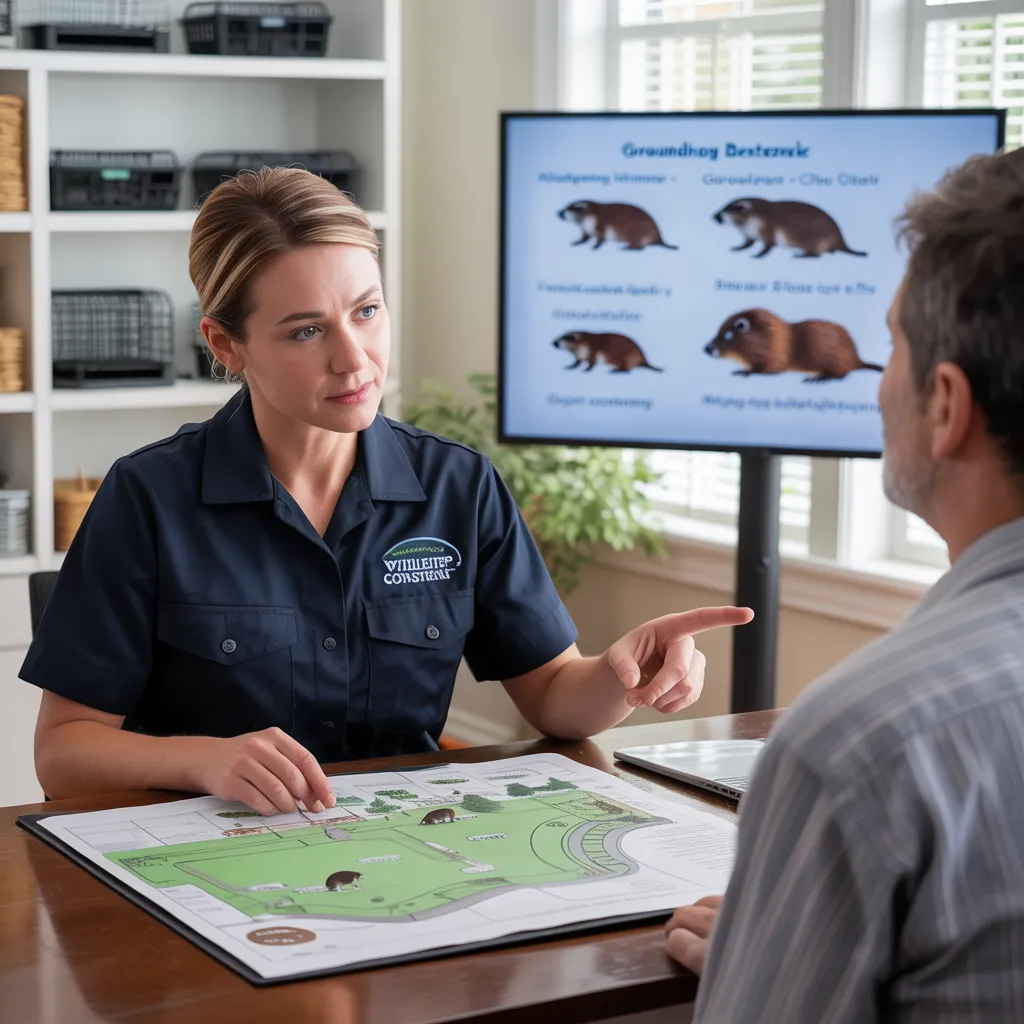
Spotting Standard Fauna Intruders and Their Health Risks
Property owners regularly face a variety of wildlife pests that impose significant dangers to health and property. Typical invaders consist of rodents, raccoons, squirrels, and bats. Rodents, such as mice and rats, can compromise insulation and wiring while spreading diseases through their droppings. Raccoons are well-known for ransacking garbage and can spread parasites harmful to humans. Squirrels may gnaw on wooden structures and electrical wiring, creating potential fire hazards. Bats, while beneficial for insect control, can pose health risks through their droppings, which may contain histoplasmosis spores. Each of these pests not only threatens the physical integrity of a home but also the well-being of its occupants. Recognizing the signs of infestations, such as droppings, gnaw marks, and nests, is essential for homeowners. Prompt recognition allows for timely intervention, reducing the linked to these common wildlife pests.
Understanding the Effect of Wildlife Control on Your Property
Effective animal control methods influence the safety and integrity of a property. When wildlife is managed correctly, property owners can mitigate potential harm caused by unwanted animals, such as structural deterioration and contamination of food sources. A preventative strategy to wildlife control not only safeguards physical assets but also strengthens the overall health of the environment surrounding the property.
Furthermore, effective regulation lowers the threat of pathogen transmission, protecting both residents and pets. Wildlife can harbor numerous pathogens that create dangers to human health; therefore, managing these populations is critical for maintaining a secure home environment. Furthermore, successful wildlife management creates a sense of security, allowing property operators to engage in outdoor activities without fear of encounters with pests. In the end, understanding the impact of wildlife management is vital for ensuring that a property stays a secure, healthy, and welcoming setting for its residents.
Verified Practices for Managing Animal Infestations
Taking proactive measures is required for preventing wildlife infestations. Property owners can greatly reduce the possibility by maintaining cleanliness and locking up edible items. This involves correct refuse management and storing explore article pet food indoors. Additionally, sealing entry points, such as structural gaps, vents, and flues, can deter animals from penetrating buildings.
Landscaping proves essential; trimming back trees and shrubs near buildings minimizes potential nesting sites. Installing fences around gardens can better defend against herbivorous wildlife.
Regular inspections of the property help detect signs of potential infestations early, allowing for timely actions. Utilizing motion-activated lights or noise deterrents can also discourage wildlife from approaching.
Humane Wildlife Management Options to Evaluate Next
Implementing compassionate animal management techniques cultivates a equilibrium between safeguarding residences and upholding animal welfare. These methods highlight humane techniques to handle wildlife interactions successfully. One standard technique is the employment of capture devices, making it possible for the secure capture and transfer of animals without damage. Additionally, preventive approaches, such as closing off openings and removing attractants, can discourage wildlife from accessing residences.
Altering habitat is another kind method, including the alteration of surroundings to make them less desirable to undesirable animals. For copyrightple, keeping yards clean and keeping trash in protective containers can markedly reduce wildlife encounters.
In addition, applying eco-friendly deterrents, such as predator scents or potent odors, can urge wildlife to remain distant. These methods not only protect property but also support coexistence with local wildlife, building a respectful relationship between humans and nature.
When do you need to reach out to Wildlife Control specialists?
Choosing the suitable time to reach out to wildlife control experts frequently rests on spotting signs of pest activity and evaluating property damage. Homeowners ought to remain alert for unusual animal conduct or physical evidence of wildlife presence. Timely intervention can prevent additional damage and ensure safe and humane removal of any invading animals.
Symptoms Of Infestation
Identifying the signs of a wildlife infestation is crucial for prompt intervention. Property owners should remain alert for different clues that may indicate the presence of unwanted creatures. Common signs include feces, which can vary in size and shape depending on the species, and unusual noises, especially during the night. Additionally, scratches or scratches on walls and surfaces may indicate animal presence, while burrows or nests found around the property can further confirm an infestation. Unexplained food supplies, chewed wires, or damaged insulation may also point to wildlife intrusion. If these signs are observed, it is important to contact wildlife control experts to assess the situation and apply efficient solutions before the problem escalates.
Property Harm Assessment
Homeowners facing possible wildlife infestations must evaluate the damage caused to their property as an essential step. Signs of damage may consist of bitten electrical wires, gnawed wood, and ripped insulation, all of which often point to rodents or other animals. Additionally, homeowners should check for animal waste, materials used for nests, and any damaged structures that could result in costly repairs if overlooked. Water damage from animal entry points can also damage the property's integrity. If damage is extensive or the infestation source is unknown, it is crucial to contact wildlife control professionals. These specialists can inspect the problem, apply proper removal strategies, and stop future problems to keep the property safe and undamaged.
How to Maintain Wildlife Away for the Long Haul
Keeping animals at bay requires a comprehensive strategy that combines protective measures, landscape changes, and regular care. Strong prevention commences by safeguarding food sources; residents should place pet food, birdseed, and refuse in sealed containers. Removing moisture sources, such as clogged gutters or standing water, also minimizes animal attraction.
Habitat transformation is vital. Excessive vegetation should be trimmed, and potential nesting sites, like woodpiles and dense shrubs, must be removed. Adding fencing can repel larger animals from accessing yards, while smaller creatures can be discouraged by using barriers.
Constant care is vital for long-term results. Routine checks of the estate should be executed to pinpoint new entry points or evidence of wildlife activity. Speedy repairs and tweaks will ensure that established walls remain working. By steadily applying these strategies, landlords can form an environment that prevents wildlife intrusion, protecting their homes and gardens for the duration.
Methods for Residing Tranquilly With Local Organisms
Living peacefully alongside local wildlife improves both the environment and community health. To achieve this harmony, people can adopt many useful approaches. To start with, protecting garbage containers and organic waste piles stops animals from foraging, decreasing unwanted wildlife encounters. Additionally, maintaining indigenous vegetation in gardens fosters a natural habitat that sustains local wildlife while minimizing invasive plants that may disrupt local ecological systems.
Also, homeowners should refrain from poisonous chemicals, as these toxic agents can detrimentally influence both creatures and the surrounding environment. Educating the public about regional animal patterns builds understanding and decreases anxiety. Installing wildlife-friendly fencing can also help defend vegetable patches without injuring wildlife.
Finally, partnering with local conservation groups can provide resources and support for wildlife-friendly practices. By adopting these strategies, communities can enjoy the benefits of local wildlife while guaranteeing safety and sustainability for all.

Common Asked Questions
What legal frameworks dictate Wildlife Control requirements in My Area?
Guidelines regarding animal management differ by regions and generally involve permits, prohibited methods, and specific seasons. Persons should contact local wildlife departments for precise guidelines to guarantee compliance with regional laws and regulations.
How Much Does Expert Wildlife Control Typically Cost?
Professional animal control typically charge between $200 and $600, contingent on factors including the kind of pest, intensity of the outbreak, and requested services. Additional costs could apply for subsequent visits or prevention strategies.
Can Wildlife Control Techniques Harm Companion Animals or Livestock?
Wildlife control methods can potentially harm pets or livestock if not carefully handled. Some techniques may unintentionally impact unintended wildlife, emphasizing the significance of choosing experienced professionals who prioritize safety for all animals involved.
Which Alternatives May I Think about if I Encounter Injured Fauna on My Property?
Should you stumble upon injured wildlife, quietly observe from far away, don't handle it, and contact local animal rescue organizations or animal control for professional assistance to confirm the animal receives proper care.
What seasonal trends in wildlife activity should I to be cognizant of?
Seasonal fluctuations in wildlife activity often peak during spring and fall. Animals may be more noticeable seeking food and shelter, while winter brings dormancy or migration. Awareness of these tendencies aids in effective wildlife management.